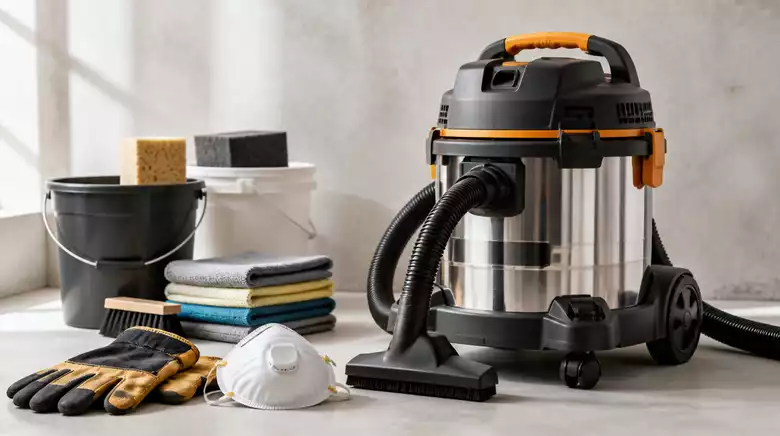
1. Ventilate
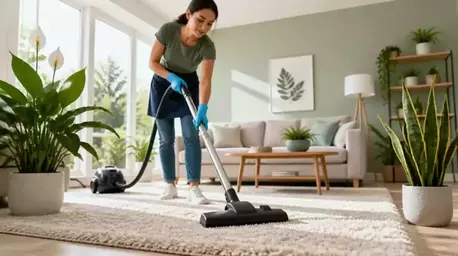
Open windows and doors to avoid inhaling harmful particles.
Have you ever walked into a newly renovated home and felt overwhelmed by the chaos left behind? Understanding construction residue is critical to maintaining a clean and safe living environment. Here's what you need to know about effectively managing this cleanup!
To ensure a thorough and safe cleanup after a construction project, follow these essential steps. For more detailed guidance, consider our comprehensive post-renovation cleaning guide.
Open windows and doors to avoid inhaling harmful particles.
Clear out larger items before cleaning finer dust and residues.
Thoroughly clean every corner to eliminate dust.
Use appropriate cleaning products on all surfaces to remove any residue.
Consider using solvents for adhesives or heat for stubborn paint.
Have you ever walked into a newly renovated space and felt overwhelmed by the mess left behind? That's often due to *construction residue*, which can take many forms. Understanding what this debris is—and how it affects your environment—can make a big difference in keeping your space clean and safe. Let’s dive into what construction residue really is and why it matters!
Construction residue refers to the leftover materials and substances that remain after a construction or renovation project. This can include various items, some of which can severely impact both your health and your living space. Knowing what to look for is the first step toward effective cleanup and ensuring your home remains a healthy environment.
There are several types of construction residue that you might encounter, including:
Each type of residue requires a different approach for removal, so it’s essential to identify what you're dealing with. At My Spotless Space, we specialize in tackling these challenges, transforming your space into a spotless environment! For more in-depth advice on handling different types of residue, check out our essential post-renovation cleaning tips.
Removing construction residue isn’t just about aesthetics; it’s crucial for maintaining a healthy living environment. Failing to clean up properly can lead to long-term issues, both for your health and for the integrity of your property. Let’s take a closer look at why safe removal is so important.
Many types of construction residue can pose health risks, especially for children and pets. Dust and fumes can trigger allergies or respiratory problems, while adhesives and sealants might contain harmful chemicals. By ensuring a thorough cleanup, we can help prevent these risks and protect your home.
It's essential to know that some construction materials may be hazardous. This includes items like:
Being aware of these materials allows for a safer and more effective cleanup process. At My Spotless Space, we take these precautions seriously, ensuring that your space is not only clean but also safe for you and your family! If you're dealing with significant debris, our effortless junk removal tips can also be a helpful resource.
Here's a brief recap of the key points discussed so far:
As we wrap up our discussion on removing construction residue, it's crucial to highlight the safe practices that will make this task smoother and more efficient! Whether you're tackling a home renovation or a larger construction project, knowing how to properly clean up can save time and reduce risks. Here, I’ll share some key takeaways that will help you navigate the cleanup process with confidence.
Let’s recap some essential steps and techniques that can guide you through a safe cleanup. First and foremost, always prioritize safety. Ensuring you have the right tools and protective gear is vital for your health as you work through the residue. Here’s a concise list of general steps and surface-specific techniques you should keep in mind:
By following these steps, not only do you ensure a cleaner space, but you also protect your health and the integrity of your surfaces. Remember, if you feel overwhelmed at any point, it’s perfectly okay to seek professional help!
It’s essential to know your limits when it comes to DIY cleanup. Certain situations may require professional intervention to ensure safety and effectiveness. Here are some scenarios where calling in the experts, like my team at My Spotless Space, can be beneficial:
In these cases, hiring a professional cleaning service not only alleviates stress but also guarantees a thorough and safe cleanup. Trust me, having experts like us can transform your post-construction mess into a spotless space quickly and efficiently!
As we conclude this guide, I encourage you to engage with fellow DIYers and cleaning enthusiasts! Sharing experiences and tips can be incredibly helpful, so feel free to ask questions or share your own stories in the comments. It’s through community engagement that we can all learn and grow!
I’d love to hear from you! Have you successfully tackled any construction cleanup projects? What methods worked best for you? Your input can help others navigate their cleaning journeys as well. And remember, every tip counts! If you're undertaking a major project, consider preparing for post-renovation cleaning in advance to streamline the process.
For those looking to dive deeper into post-construction cleaning, I have gathered some useful resources. Here are a few links you might find beneficial:
Additionally, consider creating a cleanup checklist for your next home renovation project. This handy tool can keep you organized and ensure you don’t miss any crucial steps along the way. Together, we can make every renovation or construction project a success! For tips on managing the finer particles, read our guide on clearing fine dust post-renovation.
Here is a quick recap of the important points discussed in the article:
Kiran Albright is a dedicated cleaning specialist with over a decade of experience in the professional cleaning industry. Passionate about creating pristine living and working environments, Kiran leads a team of skilled professionals at My Spotless Space. Committed to excellence, Kiran ensures every cleaning project is completed to the highest standards, especially in end-of-lease, post-renovation, and detailed home cleanups.
At My Spotless Space, we are your premier choice for professional deep cleaning services, ensuring every corner shines. From end-of-lease transformations to post-renovation perfection, we create pristine environments you'll love.
Serving Your Community with Excellence