Use Dust Containment Strategies
Employ plastic sheeting or barriers to limit dust spread.
Did you know that effective dust management can significantly improve the comfort and aesthetics of your new flooring? Understanding how to handle dust is crucial for creating a cleaner, healthier living environment after installation. Here’s a look into the essential takeaways from this article.
Implementing these strategies can significantly improve dust control and enhance the cleanliness of your newly installed flooring.
Employ plastic sheeting or barriers to limit dust spread.
Ensure all vents are sealed before starting any work.
Dust masks and goggles can safeguard your health during the installation.
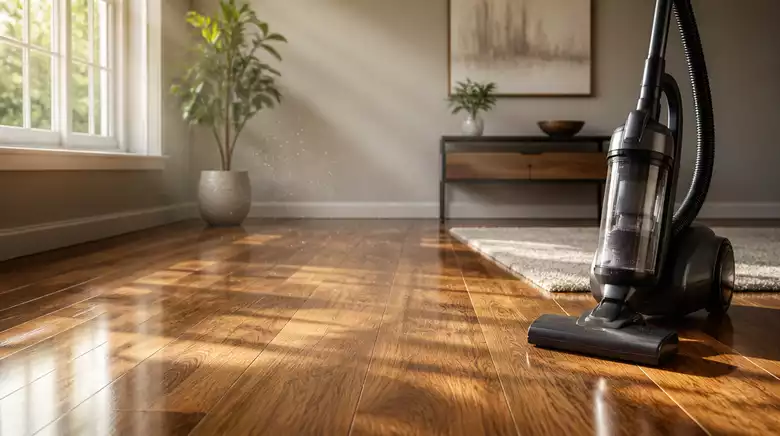
Use a HEPA vacuum in stages for thorough dust removal.
Wet mop after the flooring has settled to capture remaining dust.
Air purifiers can help maintain air quality during and after the cleanup.
When it comes to installing new flooring, dust is often an unwelcome companion. Not only does it create an _unsightly mess_, but it can also pose health concerns for you and your family. After all, fine dust particles can aggravate allergies, asthma, and other respiratory issues. In my experience at My Spotless Space, I've seen how effective dust management can significantly improve both the aesthetics and comfort of a freshly installed space! For more deep cleaning insights, check out our guide on deep cleaning after renovation.
Moreover, dust can settle on your beautiful new floors, dulling their shine and making them appear unkempt. That's why understanding the implications of dust during and after flooring installation is crucial. By actively managing dust, you can ensure a cleaner, healthier environment that enhances the beauty of your new flooring.
Effective dust control is not just about keeping your space looking good; it's about protecting your health and well-being. Dust particles can easily become airborne during the installation process, spreading throughout your home and settling on surfaces. This can lead to increased cleaning efforts well after the installers have left. By focusing on dust control, you can avoid these issues and enjoy your new flooring without worrying about lingering dust. For additional strategies, consider our tips for post-renovation deep cleaning.
When managing dust, it's essential to consider all aspects, from your initial installation efforts to the final cleanup. Here are some key reasons why effective dust control matters:
During any flooring project, understanding where dust comes from can help you take proactive measures to control it. Common sources of dust include cutting, sanding, and even the materials themselves. For instance, wood flooring installation often involves both cutting boards to size and sanding for a smooth finish. These activities can create significant dust clouds!
Additionally, materials like tile and laminate can also generate dust through cutting and installation processes. Here’s a list of common sources of dust during flooring projects:
By being aware of these sources, you can better prepare for dust management during installation. Remember, a clean workspace not only makes for a better installation but also provides a safer environment for everyone involved! If you're tackling other clean-up tasks, our effortless junk removal tips can also be helpful.
Did you know? Using a wet-dry vacuum during the installation process can significantly reduce airborne dust. By capturing dust at the source, you not only make the cleanup easier but also improve the air quality in your home. Consider investing in a high-quality vacuum that’s specifically designed for this purpose!
Here are some common questions to help you better manage dust during and after your flooring project:
Managing dust after a flooring installation is vital for both health and aesthetics. By following the strategies we've discussed, you can create a cleaner environment that protects your well-being and enhances your living space. As a cleaning specialist at My Spotless Space, I know firsthand how crucial it is to maintain a dust-free environment, especially after a renovation. Let's recap some essential dust control measures to keep your home spotless!
To effectively manage dust after flooring installation, it's important to implement a variety of strategies. Here’s a quick recap of the key measures you should take:
Each of these steps plays a significant role in ensuring a clean, safe space after your new floors are laid down. Taking the time to follow these strategies will make a noticeable difference in your indoor air quality and overall comfort.
To make the dust management process smoother, I’ve put together a handy printable dust-control checklist. Here are the key items to include:
This checklist will not only help you keep track of necessary tasks but also ensure that nothing is overlooked. As someone who has seen many floors installed, I can assure you that being thorough in dust management is key!
Many people have questions when it comes to dust control during and after flooring projects. Here are a few common inquiries:
If you have any other questions or need specific advice, don’t hesitate to reach out! I’m here to help you navigate through the dust!
Have you recently gone through a flooring installation? I'd love to hear about your experiences with dust management! What worked for you, and what challenges did you face? Feel free to share your tips in the comments section below. Engaging with others not only helps build a community but may also lead to new insights for everyone involved!
Here is a quick recap of the important points discussed in the article:
Kiran Albright is a dedicated cleaning specialist with over a decade of experience in the professional cleaning industry. Passionate about creating pristine living and working environments, Kiran leads a team of skilled professionals at My Spotless Space. Committed to excellence, Kiran ensures every cleaning project is completed to the highest standards, especially in end-of-lease, post-renovation, and detailed home cleanups.
At My Spotless Space, we are your premier choice for professional deep cleaning services, ensuring every corner shines. From end-of-lease transformations to post-renovation perfection, we create pristine environments you'll love.
Serving Your Community with Excellence