Health Benefits
Good IAQ reduces the risk of respiratory diseases and allergies.
In a world where we spend a significant amount of time indoors, have you ever considered how the air quality within your home directly impacts your health? Indoor Air Quality (IAQ) is not just a buzzword; it's a vital aspect of maintaining a healthy living environment. Understanding the connection between thorough cleaning and IAQ can empower you to create a safer, more pleasant home. Dive in to discover how you can take actionable steps towards improving the air you breathe indoors!
These factors play a crucial role in maintaining optimal indoor air quality, leading to improved health and comfort. For a comprehensive approach to home cleanliness, explore our home cleanup checklist for professionals.
Good IAQ reduces the risk of respiratory diseases and allergies.
Clean air contributes to a more pleasant living environment.
A healthier indoor atmosphere can enhance focus and productivity.
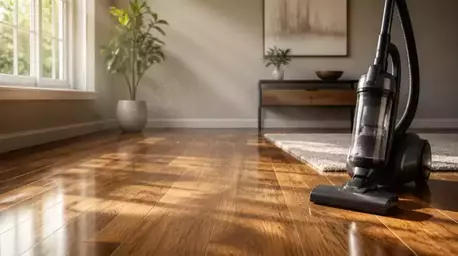
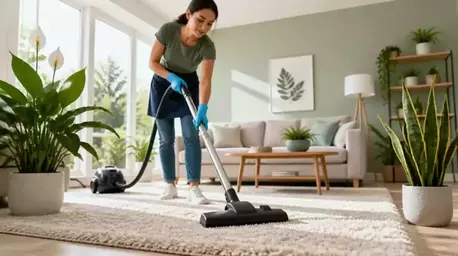
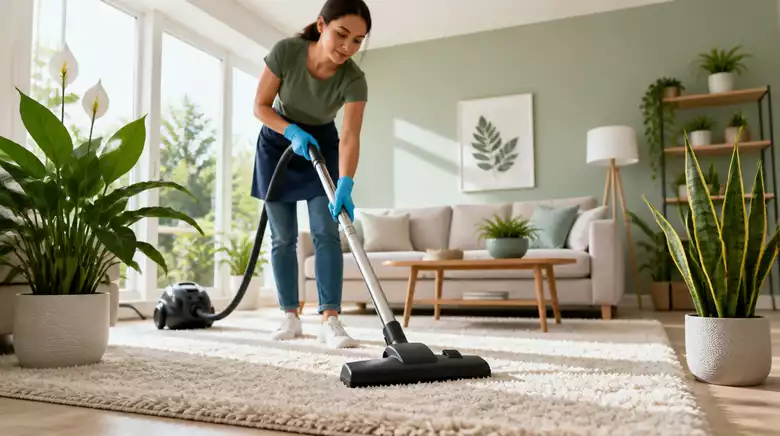
Methods like HEPA vacuuming and damp dusting can significantly improve IAQ.
Have you ever thought about how the air we breathe inside our homes affects our health? That's where the concept of indoor air quality (IAQ) comes in. IAQ refers to the quality of the air within our living spaces, and it plays a significant role in our overall well-being. Poor air quality can lead to various health issues, making it crucial for us to understand its importance!
When the air we breathe is clean, we feel more energetic and comfortable in our spaces. On the flip side, low IAQ can result in headaches, fatigue, and even respiratory problems. This is especially concerning for families with young children, elderly members, or those suffering from asthma. Improving IAQ should be a priority, and that's where detailed cleaning strategies come into play.
Indoor air quality reflects the level of pollutants and contaminants present in the air we breathe indoors. It's vital to maintain good IAQ to prevent health issues caused by indoor pollution. Factors like dust, chemicals, and allergens can significantly impact how we feel in our homes.
So why does IAQ matter? Here are a few reasons:
When our indoor air quality is compromised, it can lead to a range of health problems. Common issues include respiratory discomfort, allergic reactions, and even chronic illnesses. For individuals with asthma and allergies, poor IAQ can trigger symptoms and make daily activities challenging.
Pollutants like dust mites, mold spores, and pet dander can aggravate these conditions. It’s astonishing how something so invisible can have such a significant impact! To combat this, we need to take proactive steps in cleaning and maintaining our spaces, which is precisely what we strive for at My Spotless Space. If you're looking for strategies to enhance your living environment, consider exploring our cleaning for allergy relief guide.
Indoor pollution can originate from various sources, and knowing them is the first step in improving air quality. Here are some common culprits:
By identifying these sources, we can target our cleaning efforts more effectively. Let's remember that a clean space doesn’t just look good; it also enhances our health and well-being! At My Spotless Space, we focus on detailed cleaning techniques to ensure your indoor air quality is at its best.
Now that we understand the connection between cleaning and indoor air quality, let’s dive into the specific factors that can help enhance it. A thorough cleaning routine can significantly reduce allergens and pollutants in your home.
To tackle dust and allergens effectively, consider these methods:
Implementing these techniques can lead to noticeable improvements in your indoor air quality. As a cleaning specialist, I’ve seen firsthand how these small changes can make a big difference in creating a healthier home!
Another critical factor in maintaining good IAQ is proper ventilation. Here’s why adequate airflow matters:
By ensuring your home is well-ventilated and maintaining your heating and cooling systems, you can significantly improve your indoor air quality. It’s all about making those little changes that lead to a big impact on your health! For more insights on maintaining a clean and healthy living space, check out our guide on home cleaning made simple.
Air purifiers and filtration systems can be game-changers for improving IAQ. They help reduce airborne pollutants, making the air cleaner and safer to breathe. Here are some benefits:
Investing in a good air purifier can be a wise choice for enhancing your indoor environment. It’s one of those proactive steps that can make your home feel fresher and more inviting!
Another way to improve indoor air quality is by choosing the right cleaning products. Opting for low-VOC and fragrance-free products can minimize indoor air pollutants. Here’s why it’s essential:
At My Spotless Space, we prioritize using eco-friendly products that are safe for your family and pets. Making mindful choices in cleaning products is a simple yet effective step toward enhancing your indoor air quality. Discover more about sustainable practices with our eco-friendly cleaning product guide.
Managing moisture levels is vital in preventing mold growth, a significant indoor pollutant. Here are some effective strategies:
By implementing these moisture control techniques, you can keep mold at bay and ensure a healthier indoor environment. It’s all part of the detailed cleaning efforts we emphasize at My Spotless Space!
Here's a brief recap of the key points discussed so far:
When it comes to cleaning methods, not all are created equal! Understanding which techniques actually enhance indoor air quality (IAQ) can make a world of difference in creating a healthy living space. I’m excited to share insights on how to evaluate these methods and what you can do to ensure you’re getting the best results for your home.
First, let's look at some popular cleaning techniques and their effectiveness. For instance, traditional mopping and dusting can stir up allergens, while methods like HEPA vacuuming significantly reduce airborne particles. Below, I’ve outlined various cleaning techniques and their impact on IAQ:
Having a practical checklist can make your cleaning routine straightforward and efficient! At My Spotless Space, we believe that a well-planned approach can help you tackle IAQ challenges effectively. Here’s a handy checklist to keep your indoor air quality at its best:
Monitoring indoor air quality is essential for assessing the effectiveness of your cleaning strategies. It provides real-time data that can help you understand the specific pollutants in your space. Devices like air quality monitors can track levels of allergens and VOCs, allowing you to make informed decisions about your cleaning practices.
Regular monitoring helps you stay proactive rather than reactive. Noticing trends in air quality can guide you in adapting your cleaning methods and schedule to meet your household’s needs. With this information, I can better assist my clients in maintaining a healthier home environment!
After a thorough cleaning, it’s crucial to assess indoor air quality to ensure that your efforts were effective. This step is essential, especially if you or your family members suffer from allergies or asthma. By conducting a simple air quality test, you can confirm that your space is free from harmful pollutants and allergens. You might also find our guide on effortless junk removal tips useful for maintaining a clutter-free and healthier environment.
Take note of lingering odors or recurring allergy symptoms, as they may indicate that your cleaning methods need an adjustment. Remember, even with the best cleaning practices, some pollutants may linger, requiring additional strategies to improve air quality.
There are times when a deep cleaning might not suffice, especially if your indoor air quality remains poor despite your efforts. Situations such as mold infestations, severe allergen buildup, or persistent odors often require professional remediation. At My Spotless Space, we’re here to help you recognize these issues early on!
Don’t hesitate to reach out if you notice any of the following signs:
Recognizing when to call in professionals can save you time, money, and health. Together, we can ensure that your home not only looks clean but also supports your well-being! For deeper insights into comprehensive cleaning, consider why hire a deep cleaning service.
Here is a quick recap of the important points discussed in the article:
Kiran Albright is a dedicated cleaning specialist with over a decade of experience in the professional cleaning industry. Passionate about creating pristine living and working environments, Kiran leads a team of skilled professionals at My Spotless Space. Committed to excellence, Kiran ensures every cleaning project is completed to the highest standards, especially in end-of-lease, post-renovation, and detailed home cleanups.
At My Spotless Space, we are your premier choice for professional deep cleaning services, ensuring every corner shines. From end-of-lease transformations to post-renovation perfection, we create pristine environments you'll love.
Serving Your Community with Excellence